



Airway, Expansion & MARPE – breathing and jaw development matter
At Auckland Orthodontics, we take an airway-aware approach to orthodontic care. Dr Nitin Raniga and Dr Allen Hu consider the relationship between the teeth, jaws, facial growth and overall function – including breathing and airway-related factors where clinically relevant.
What is airway-aware orthodontics?
Being airway-aware means recognising that breathing, nasal airway function, mouth breathing, sleep-disordered breathing and tongue posture can be relevant considerations when assessing a patient’s orthodontic needs.
At Auckland Orthodontics, Dr Raniga and Dr Hu take these factors into consideration as part of the overall assessment and treatment-planning process where appropriate. Our primary focus remains achieving healthy, functional, stable and well-aligned teeth and jaws, while being mindful of how orthodontic development and treatment may relate to a patient’s oral and airway function.
Where potential airway or breathing concerns are identified, we may recommend further assessment or work collaboratively with other healthcare professionals, such as ENT specialists, sleep physicians, dentists or myofunctional therapists.
Maxillary expansion – widening the upper jaw
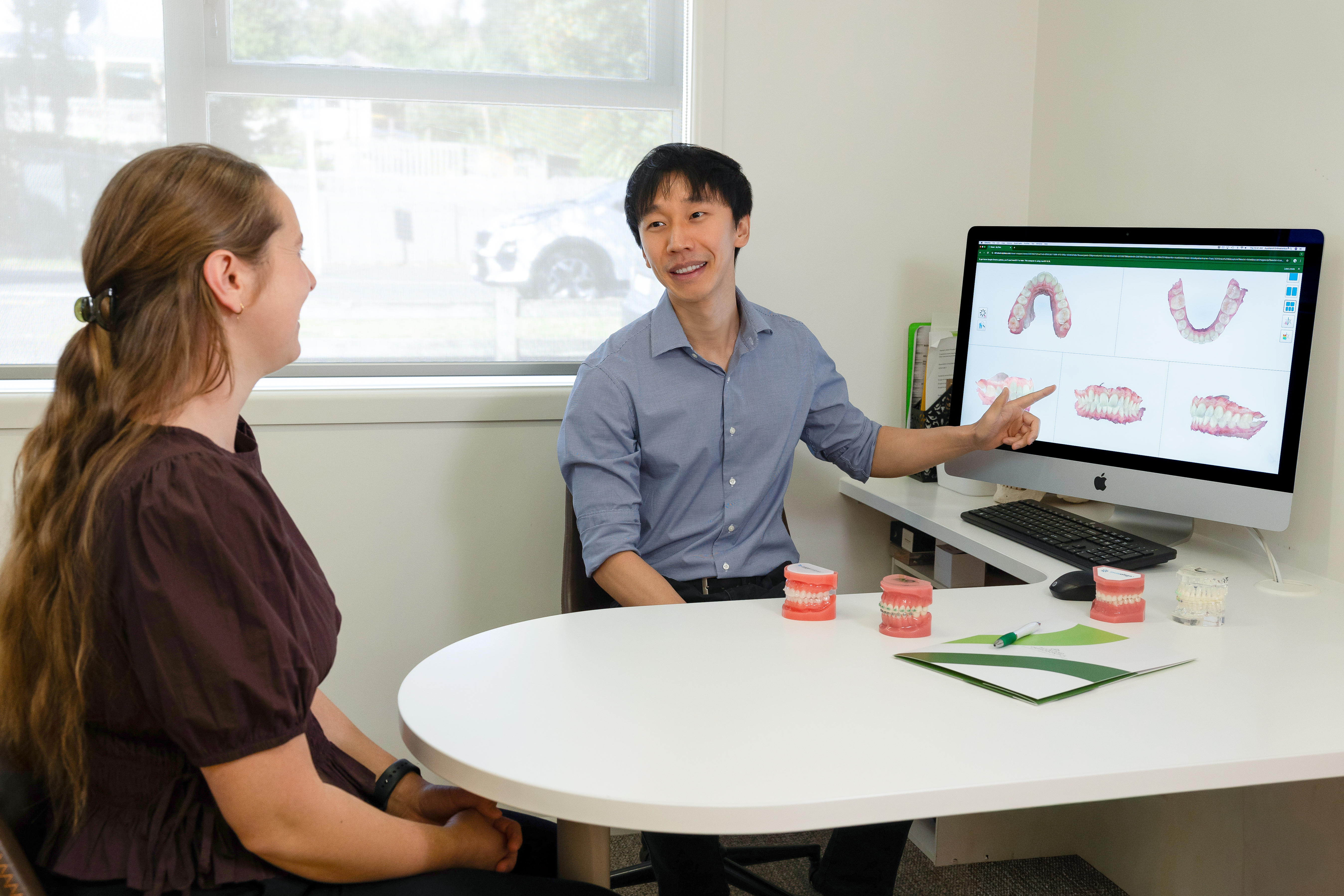
Maxillary expansion is an orthodontic treatment used to widen a narrow upper jaw and dental arch. Depending on the individual patient, expansion can create additional space within the mouth and may also increase the dimensions of the nasal cavity.
Dr Raniga and Dr Hu consider the width and development of the upper jaw, dental crowding, crossbites and overall facial growth when assessing whether maxillary expansion may be appropriate. In some patients, widening a constricted upper jaw may contribute to improved nasal airflow, although the extent of any breathing benefit varies between individuals.
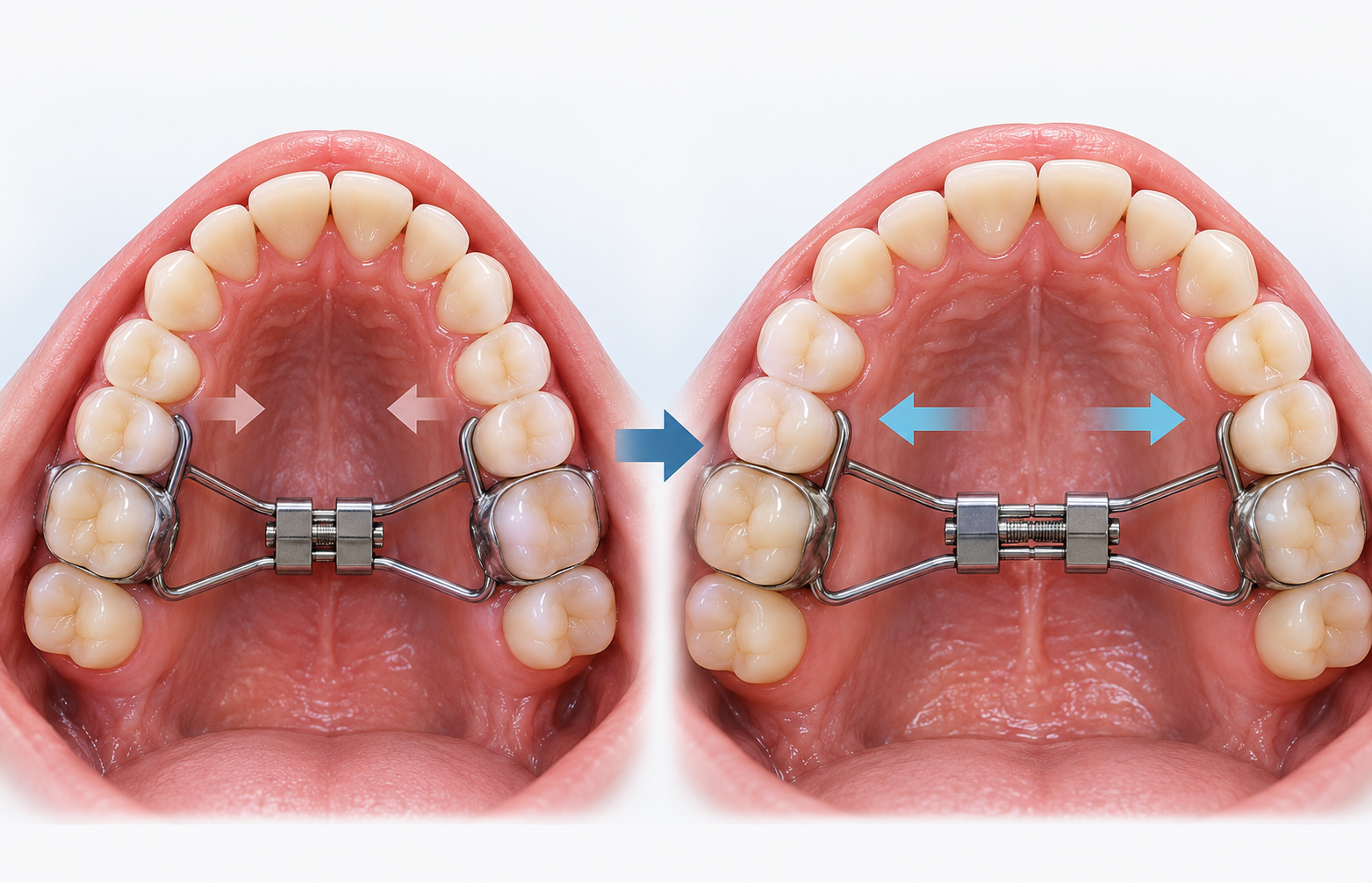
Signs that may indicate a narrow upper jaw:
- A narrow or constricted upper dental arch
- Dental crowding
- A posterior crossbite
- A high or narrow palate
- Difficulty maintaining nasal breathing
- Persistent mouth breathing
- Snoring or restless sleep
These signs do not necessarily mean that expansion is required, as breathing and sleep issues can have a number of causes. An early orthodontic assessment can be helpful because some jaw-development issues are easier to address while a child is still growing.
MARPE – Mini-Screw Assisted Rapid Palatal Expansion
MARPE is an orthodontic technique designed to widen a narrow upper jaw by using small temporary mini-screws placed into the palate to help deliver expansion forces more directly to the underlying jaw rather than relying solely on the teeth.
Traditional expanders are generally supported primarily by the teeth, whereas MARPE uses additional skeletal anchorage. This can make it a useful option for some older adolescents and adults where conventional tooth-supported expansion may be less predictable.
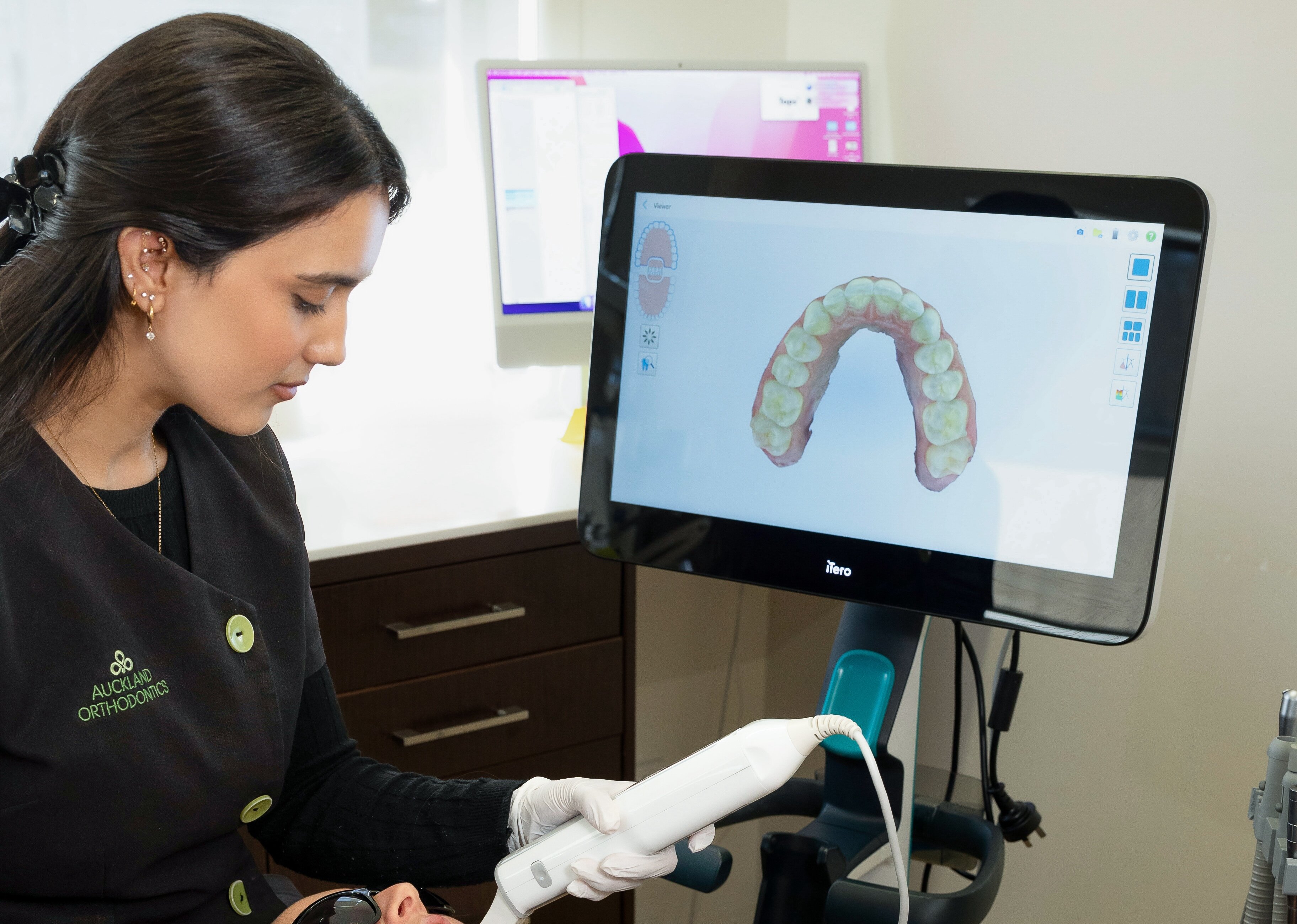
At Auckland Orthodontics, Dr Raniga assesses each patient’s age, jaw development, dental relationships and individual anatomy before determining whether conventional expansion, MARPE or another approach is appropriate. Where appropriate, 3D imaging such as CBCT may be used to evaluate the anatomy of the palate and surrounding structures.
Why choose Auckland Orthodontics?
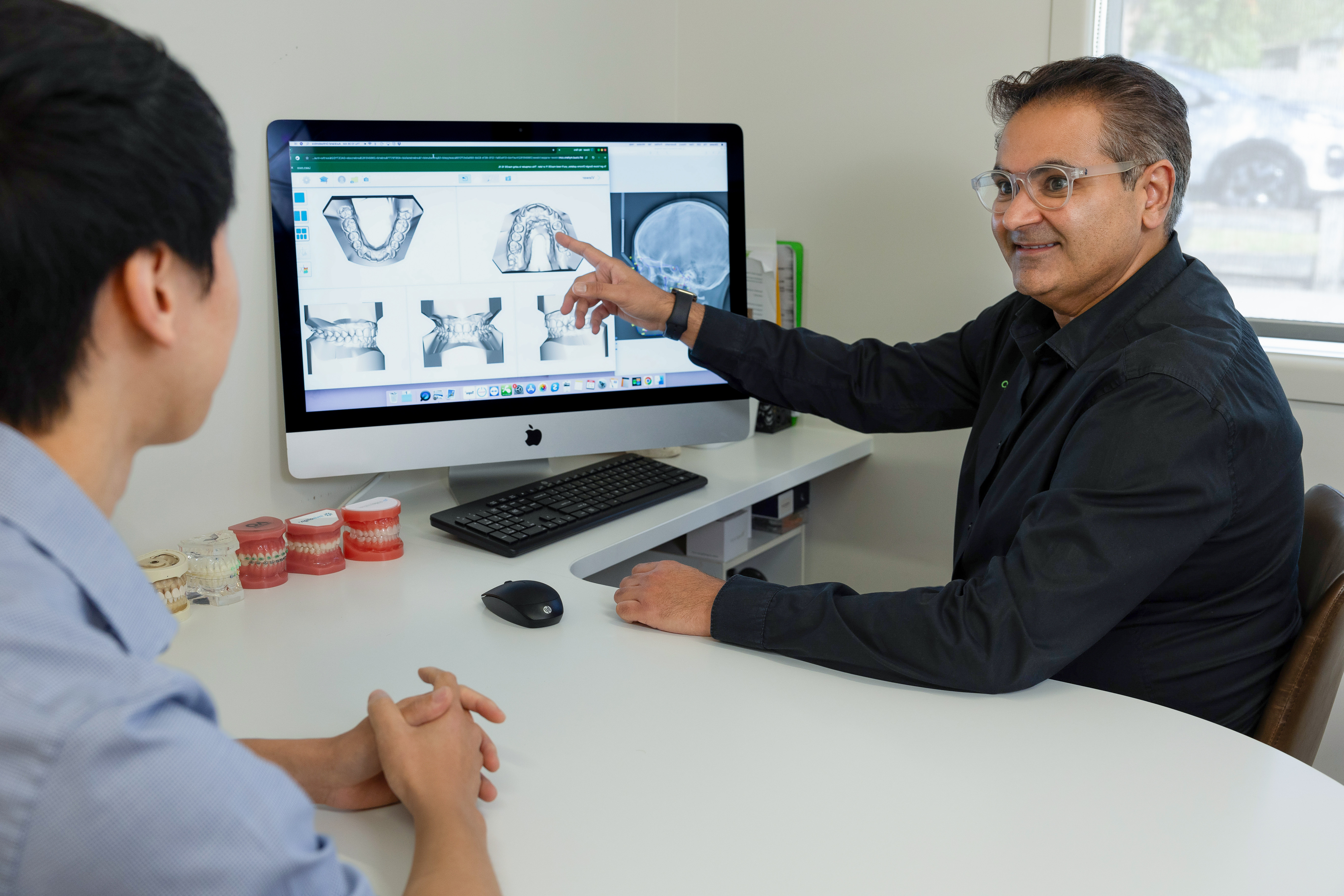
At Auckland Orthodontics, we take a comprehensive approach to orthodontic assessment rather than viewing expansion as a one-size-fits-all treatment.
Dr Raniga and Dr Hu consider the relationship between the teeth, jaws, facial growth and overall function, while also being airway-aware where breathing and airway concerns are relevant. The aim is to determine whether expansion is genuinely appropriate for the individual patient and, if so, which approach is most suitable.
Where concerns extend beyond orthodontics, we are comfortable working alongside other healthcare professionals, including dentists, ENT specialists, sleep physicians and myofunctional therapists, to ensure the patient’s needs are considered more broadly.
Interest-free payment plans are available to help spread the cost of treatment.

Frequently asked questions about MARPE & expansion
What is MARPE and how does it differ from a traditional palate expander?
Am I too old for MARPE? Does age affect whether it will work?
How much does MARPE cost in Auckland, and are payment plans available?
Is MARPE painful, and what is recovery like?
Can MARPE help with sleep apnoea or breathing problems?
Can expanding my palate help with snoring or sleep apnoea?
Can adults have maxillary expansion, or is it mainly for children?
Does MARPE need to be performed by an orthodontist?
Instagram Posts Get social with Auckland Orthodontics



Follow Auckland Orthodontics


